7 Hidden Costs of Maintaining Legacy Software
Legacy software maintenance costs can extend beyond routine updates and technical support. While older systems may still function, businesses often face additional expenses from security vulnerabilities, inefficient workflows, and integration limitations. Understanding these hidden costs can help businesses decide when software modernization becomes a worthwhile investment. Why Does Legacy Software Become More Expensive Over Time? […]
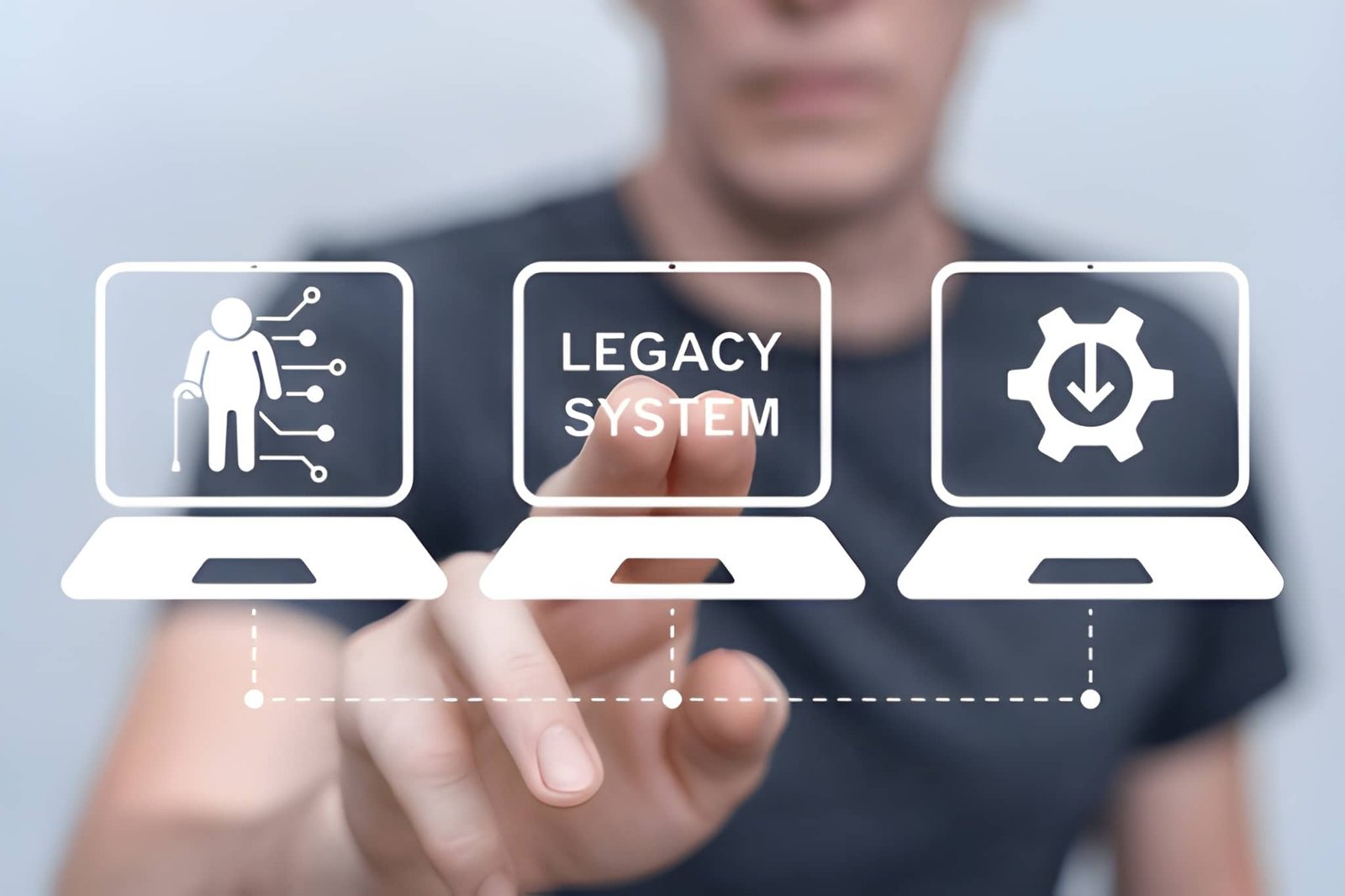
Legacy software maintenance costs can extend beyond routine updates and technical support. While older systems may still function, businesses often face additional expenses from security vulnerabilities, inefficient workflows, and integration limitations.
Understanding these hidden costs can help businesses decide when software modernization becomes a worthwhile investment.
Why Does Legacy Software Become More Expensive Over Time?
Legacy software refers to older applications that remain in use despite relying on outdated technologies or infrastructure. Although these systems may still support daily operations, maintaining them can become increasingly complicated.
Several factors contribute to rising maintenance expenses:
- Outdated technology: Older frameworks and programming languages may no longer receive updates.
- Technical debt: Repeated fixes make future modifications more complicated.
- Compatibility issues: Existing systems may struggle to integrate with modern applications.
- Limited documentation: Missing technical records increase troubleshooting time.
As these challenges accumulate, businesses may spend more resources maintaining existing functionality than improving their software.
7 Hidden Costs of Maintaining Legacy Software
The true cost of legacy software includes both direct maintenance expenses and indirect losses affecting productivity, security, and business growth.
1. Rising Maintenance and Repair Expenses
Older applications often require frequent bug fixes, troubleshooting, and custom patches. Even minor changes can involve extensive testing because outdated components are more difficult to modify.
As a result, maintenance budgets may increase without delivering meaningful improvements.
2. Higher Security and Compliance Costs
Legacy systems may depend on unsupported software, outdated security protocols, or unpatched vulnerabilities. Businesses often need additional security monitoring and protective measures to reduce potential risks.
Security incidents can also create unexpected expenses, including:
- System recovery and incident response
- Operational disruption
- Data restoration
- Regulatory penalties, where applicable
3. Reduced Employee Productivity
Slow applications and inefficient workflows can increase the time employees spend completing routine tasks.
For example, employees may need to manually transfer customer information between disconnected systems instead of using automated data synchronisation.
Even small inefficiencies can become significant operational expenses when repeated across multiple employees every day.
4. Expensive Integration with Modern Technologies
Connecting legacy applications with modern CRM platforms, cloud services, or third-party software can require extensive custom development.
Older systems may lack compatible APIs, making integrations more complicated and expensive to maintain.
| Integration Challenge | Potential Business Impact |
|---|---|
| Outdated APIs | Additional custom development |
| Incompatible data formats | Manual data conversion |
| Limited cloud compatibility | Higher infrastructure complexity |
| Unsupported integrations | Additional maintenance requirements |
5. Limited Access to Skilled Developers
Finding developers experienced with outdated programming languages or proprietary systems can be challenging.
Businesses may need specialised contractors, additional employee training, or external technical support. These dependencies can increase development expenses and delay system improvements.
6. Unexpected Downtime and Business Disruption
Legacy applications may experience performance problems, compatibility failures, or unexpected system outages.
Depending on the affected operations, downtime can lead to:
- Interrupted customer transactions
- Delayed internal workflows
- Reduced employee productivity
- Lost sales opportunities
- Additional recovery expenses
The impact can be particularly significant when critical business processes depend on a single outdated application.
7. Missed Business and Growth Opportunities
Legacy software can restrict a company’s ability to introduce new services, automate operations, or respond to changing customer expectations.
For example, a business may postpone launching a customer portal because its existing system cannot support the required integrations.
These missed opportunities may not appear in maintenance budgets, but they can affect long-term competitiveness.
Legacy Software Maintenance vs Modernization Costs
Maintaining existing software usually requires less upfront investment than replacing it. However, software modernization may provide better long-term value when recurring expenses and operational limitations continue increasing.
| Cost Factor | Legacy Maintenance | Software Modernization |
|---|---|---|
| Initial investment | Generally lower | Higher upfront |
| Ongoing maintenance | May increase over time | Potentially more predictable |
| Security | Additional protection may be required | Updated security capabilities |
| Integration | Often requires custom solutions | Supports modern integrations |
| Scalability | Limited by existing architecture | Designed for future growth |
| Productivity | Existing inefficiencies may remain | Opportunities for automation |
| Flexibility | Restricted by older technologies | Easier future enhancements |
Modernization does not automatically reduce expenses. Businesses should compare implementation costs, ongoing maintenance, and expected operational improvements before making a decision.
How to Calculate Legacy Software Maintenance Costs
To understand the financial impact, businesses should evaluate both direct technical spending and indirect operational expenses.
A basic calculation includes:
Total Legacy Software Cost = Direct Maintenance + Infrastructure + Security + Productivity Losses + Downtime + Integration Expenses
For example, consider a business with the following monthly expenses:
| Expense | Monthly Cost |
|---|---|
| Software maintenance | $2,000 |
| Infrastructure and support | $1,000 |
| Total | $3,000 |
Estimated annual direct cost
$36,000
Illustrative calculation: $3,000 × 12 months
This estimate excludes downtime, productivity losses, and unexpected security incidents. Including these indirect expenses provides a more realistic picture of the total cost of ownership.
When Should Your Business Modernize Legacy Software?
Not every older application needs immediate replacement. However, modernization becomes worth considering when existing technology consistently creates operational or financial challenges.
Common warning signs include:
- Maintenance expenses continue increasing.
- Critical software components no longer receive updates.
- Employees depend heavily on manual workarounds.
- New integrations require extensive development.
- System performance deteriorates as demand grows.
Businesses can then evaluate three common modernization approaches.
| Approach | Best Suited For |
|---|---|
| Refactoring | Improving existing code without changing core functionality |
| Replatforming | Moving applications to newer infrastructure |
| Replacement | Rebuilding systems that no longer meet business requirements |
The most suitable option depends on technical complexity, business priorities, and available resources.
Reduce Long-Term Software Costs with NewGen Development
Managing legacy software maintenance costs involves more than addressing technical issues. Businesses also need software that supports efficient operations, security, and future growth.
NewGen Development provides custom software development solutions tailored to business requirements. Whether you need to improve existing applications, integrate modern technologies, or develop a new system, the right development approach can help address long-term operational challenges.
Contact NewGen Development to discuss your software requirements and explore suitable development solutions for your business.
Frequently Asked Questions
1. What are legacy software maintenance costs?
They include technical support, bug fixes, infrastructure, security updates, integrations, and ongoing operational expenses.
2. Why is legacy software expensive to maintain?
Outdated technologies, limited developer availability, and complex integrations can increase maintenance time and costs.
3. Is it cheaper to maintain or replace legacy software?
Maintenance generally costs less upfront, but replacement may offer better long-term value when recurring expenses become significant.
4. How can businesses reduce legacy software maintenance costs?
Businesses can conduct technical audits, improve documentation, automate repetitive tasks, and modernize high-risk components.
5. Does legacy software need to be completely replaced?
No. Refactoring or replatforming may address existing limitations without requiring a complete system replacement.
Related Insights

 NewGen
10 Digital Transformation Priorities for Businesses in 2026
Digital transformation priorities in 2026 include AI, automation, cybersecurity, cloud systems, and scalable digital operations.
 NewGen
AI-Friendly Content: A Practical Guide for Businesses in 2026
Learn how to create AI-friendly content that improves visibility, builds authority, and helps your business get found in AI search.
 NewGen
Custom Software vs SaaS Platforms: Which Scales Better in 2026?
Compare custom software vs SaaS platforms in 2026 to see which offers better scalability, flexibility, and long-term business growth.